Lorem Ipsum is simply dummy text of the printing and typesetting industry. Lorem Ipsum has been the industry’s standard dummy text ever since the 1500s, when an unknown printer took a galley of type and scrambled it to make a type specimen book.
Precision Forging for High-Strength Industrial and Structural Components
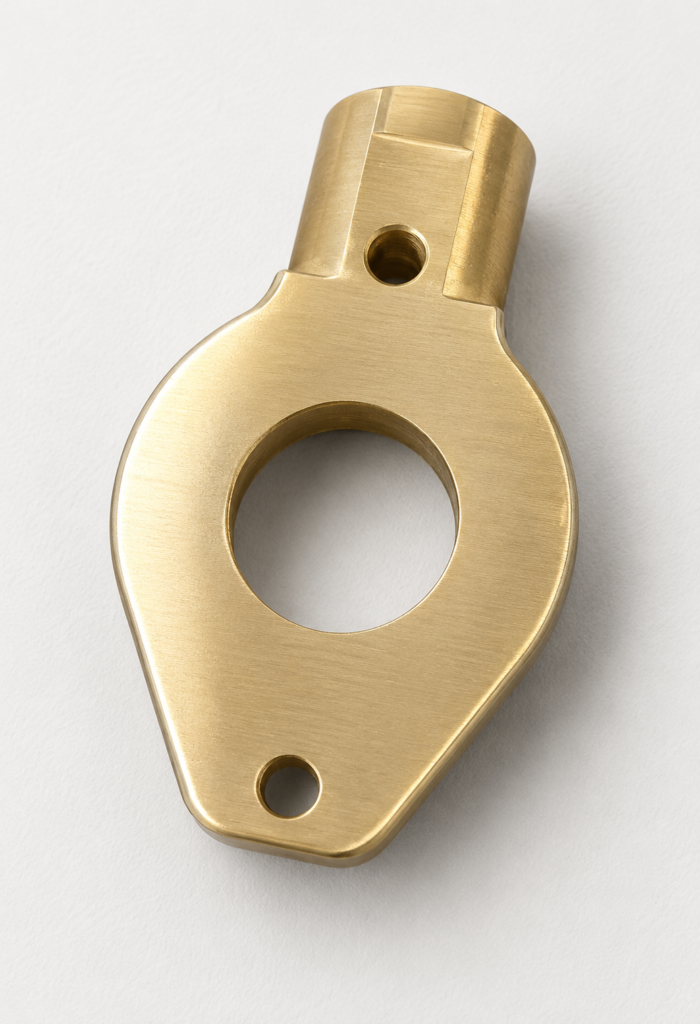
Forging is the process you choose when the part cannot afford to fail. The grain structure that develops during forging, aligned to the shape of the component rather than cut through, as it is in machined bar stock, is what gives forged parts their strength advantage. For critical load-bearing applications, structural parts, and components under cyclic stress, forging isn’t a cost decision. It’s an engineering one.
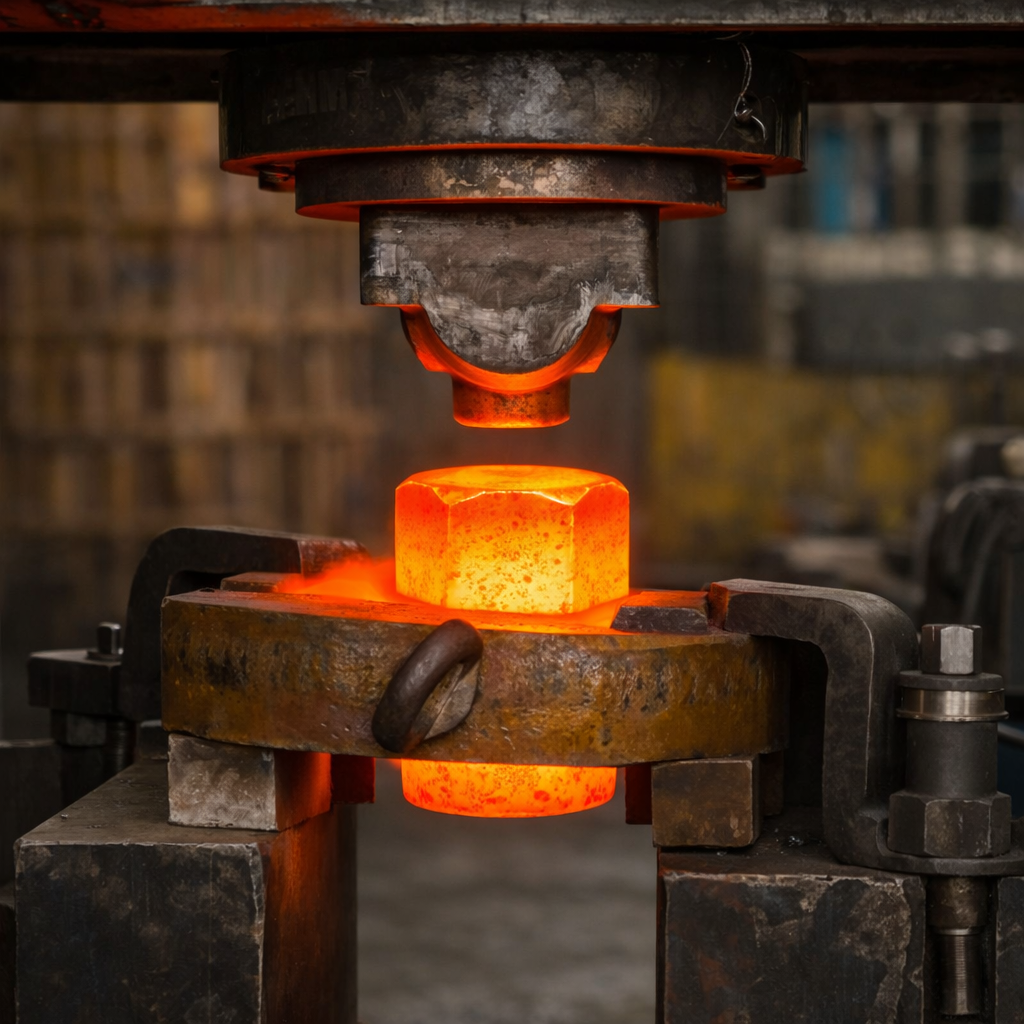
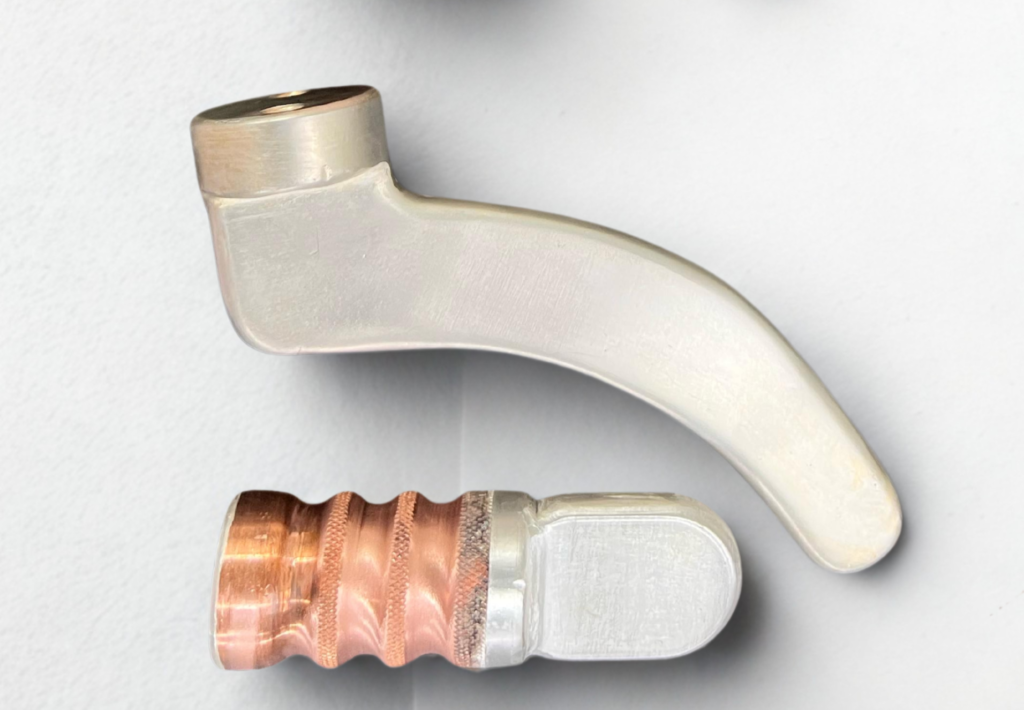
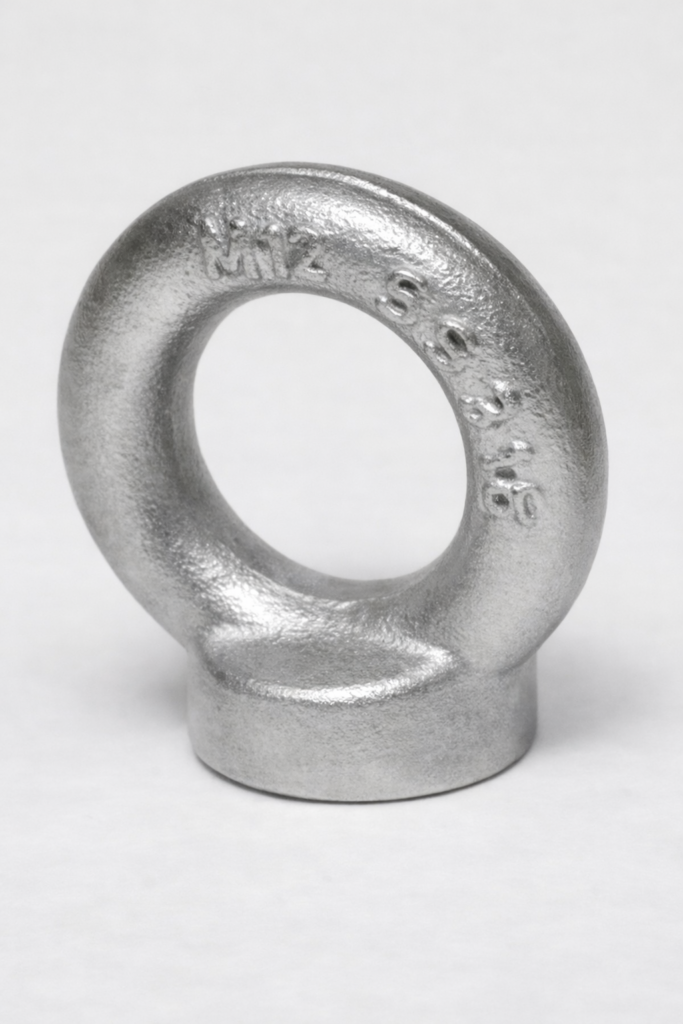
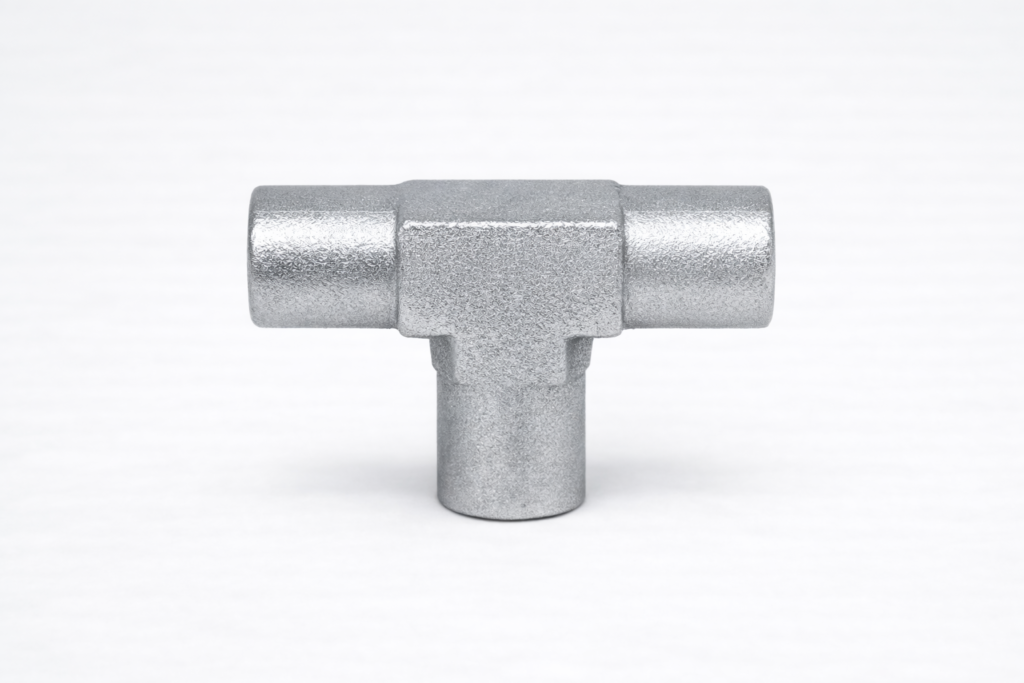
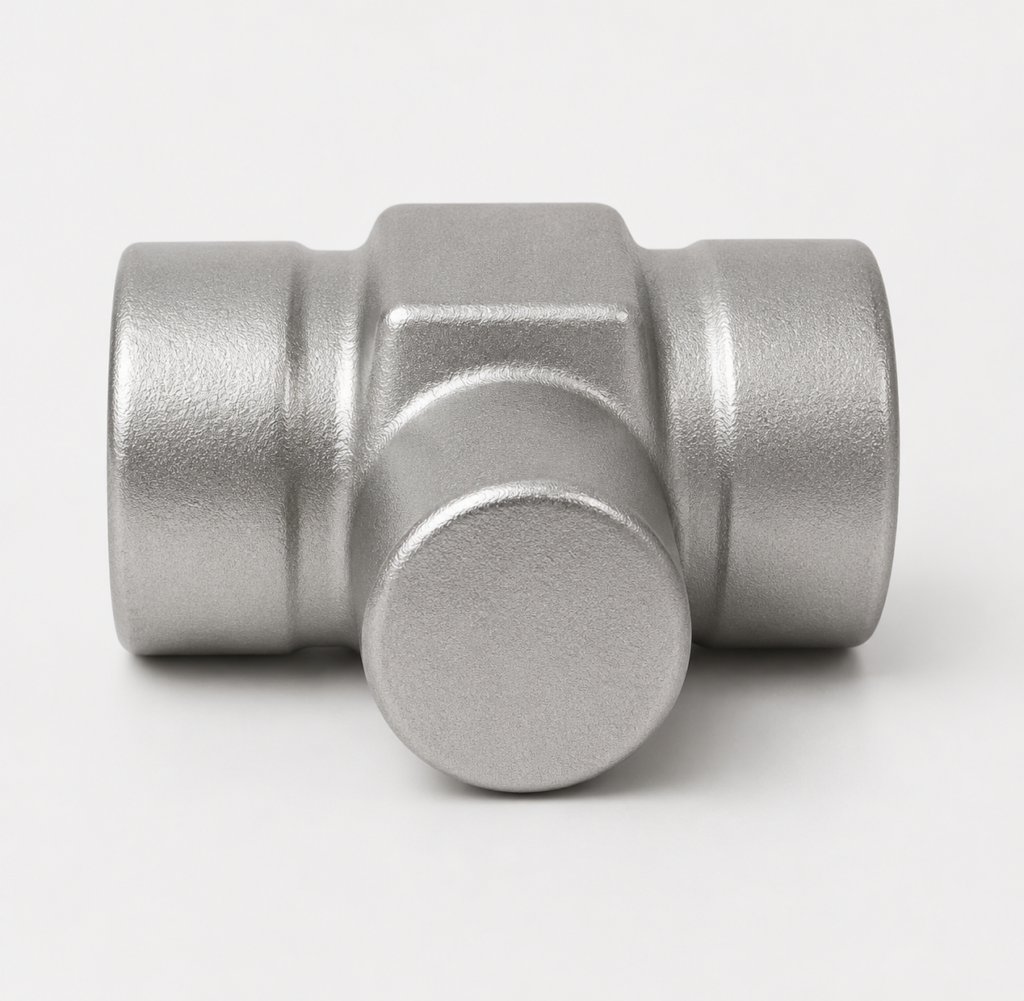
We offer both open-die and closed-die forging across hot and cold processes, using hammer and press forging methods. Press capacity runs up to 1600T, covering a meaningful range of part sizes and cross-sections. Hot forging handles complex shapes in materials that require elevated temperatures to flow correctly, steels, alloy steels, aluminium, copper, and titanium-adjacent grades. Cold forging is the choice when tighter dimensional tolerances and better surface finish are needed without post-process machining, typically on smaller, simpler cross-sections where the material can be worked at room temperature without cracking.
Open-die forging gives us the flexibility to work large, irregular shapes and produce near-net forms for parts that would be impractical to closed-die forge at low volumes. Closed-die forging delivers the repeatability and dimensional consistency required for medium-to-high volume production programs where part-to-part variation needs to stay within tight limits. We work across ferrous and non-ferrous materials, and our capability spans development quantities through full-scale production runs.
Volume: Low-Volume Specialised Components to High-Volume Production
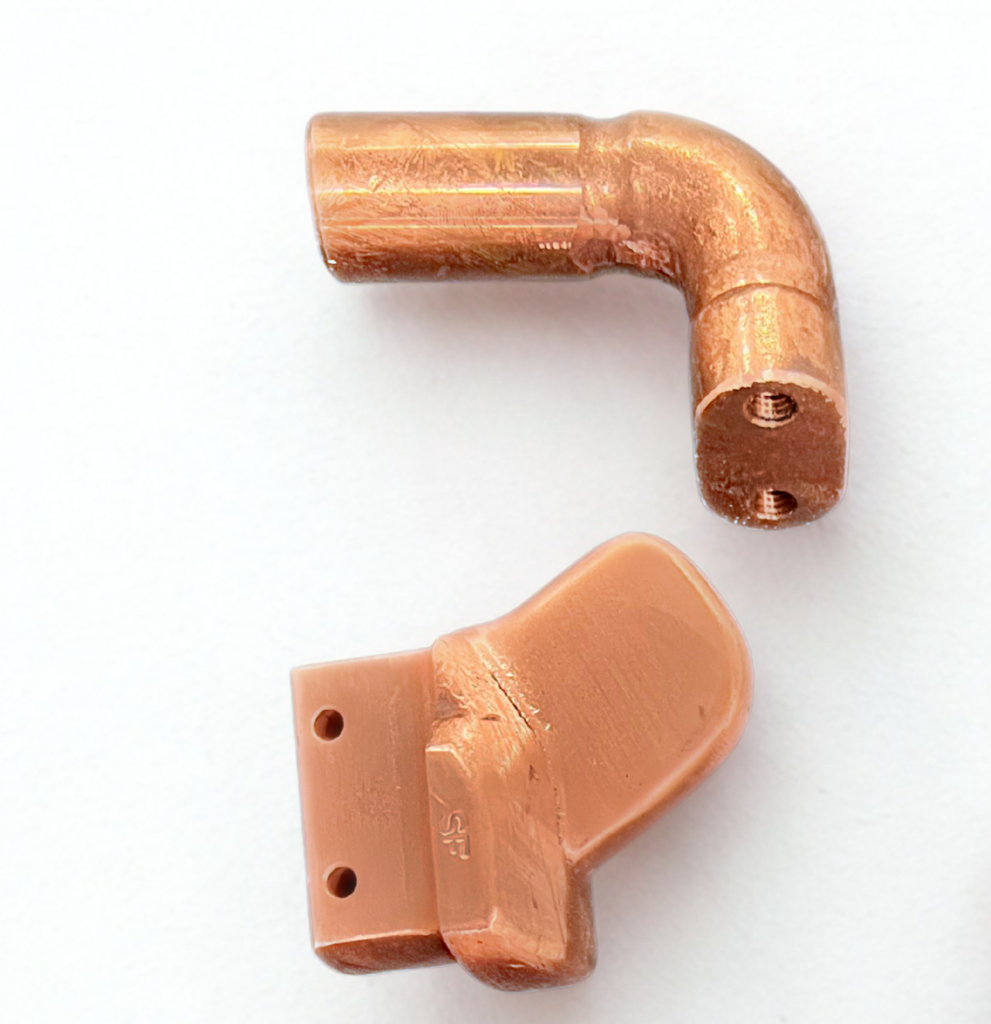
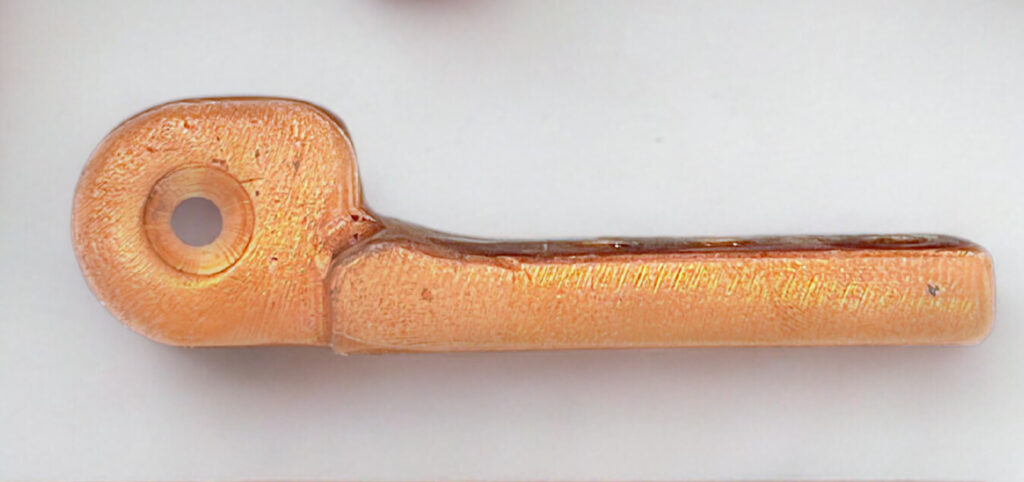
Output: Precision forged components for critical and structural applications
Lorem ipsum dolor
Lorem ipsum dolor sit amet, consectetur adipiscing elit.
Lorem ipsum dolor
Lorem ipsum dolor sit amet, consectetur adipiscing elit.
Lorem ipsum dolor
Lorem ipsum dolor sit amet, consectetur adipiscing elit.
Lorem ipsum dolor
Lorem ipsum dolor sit amet, consectetur adipiscing elit.
Lorem ipsum dolor
Lorem ipsum dolor sit amet, consectetur adipiscing elit.
Lorem ipsum dolor
Lorem ipsum dolor sit amet, consectetur adipiscing elit.
Lorem ipsum dolor
Lorem ipsum dolor sit amet, consectetur adipiscing elit.
Lorem ipsum dolor
Lorem ipsum dolor sit amet, consectetur adipiscing elit.
Why Customers Choose Us for Forging
Forging suppliers are easy to find. Finding one that understands the engineering behind the process, and makes the right call between methods, is harder. Here’s what sets our approach apart.
Process Selection Based on the Part, Not the Press
Hot or cold, open or closed die, hammer or press, the method is chosen based on the part geometry, material, tolerance requirement, and volume. We don't push every job through the same process.
Ferrous and Non-Ferrous Under One Roof
Steel, alloy steel, stainless, aluminium, brass, copper, we work across material families. You're not limited to one material class based on what our equipment can handle.
Up to 1600T Press Capacity
Meaningful press capacity means we can take on larger cross-sections and heavier components without compromising on forging quality or dimensional control.
Critical Application Experience
Structural parts, load-bearing components, drivetrain elements, we understand what's at stake in these applications and build process controls around it, not around throughput alone.
Have a forging requirement? Let's talk.
Share your part drawing, material specification, weight, and volume requirement and we’ll review the right forging method and come back with a clear proposal. We’re equally comfortable at prototype and pre-production stage as we are at full production volumes. Reach us at rfq@shubhcastings.com or fill in the contact form.